
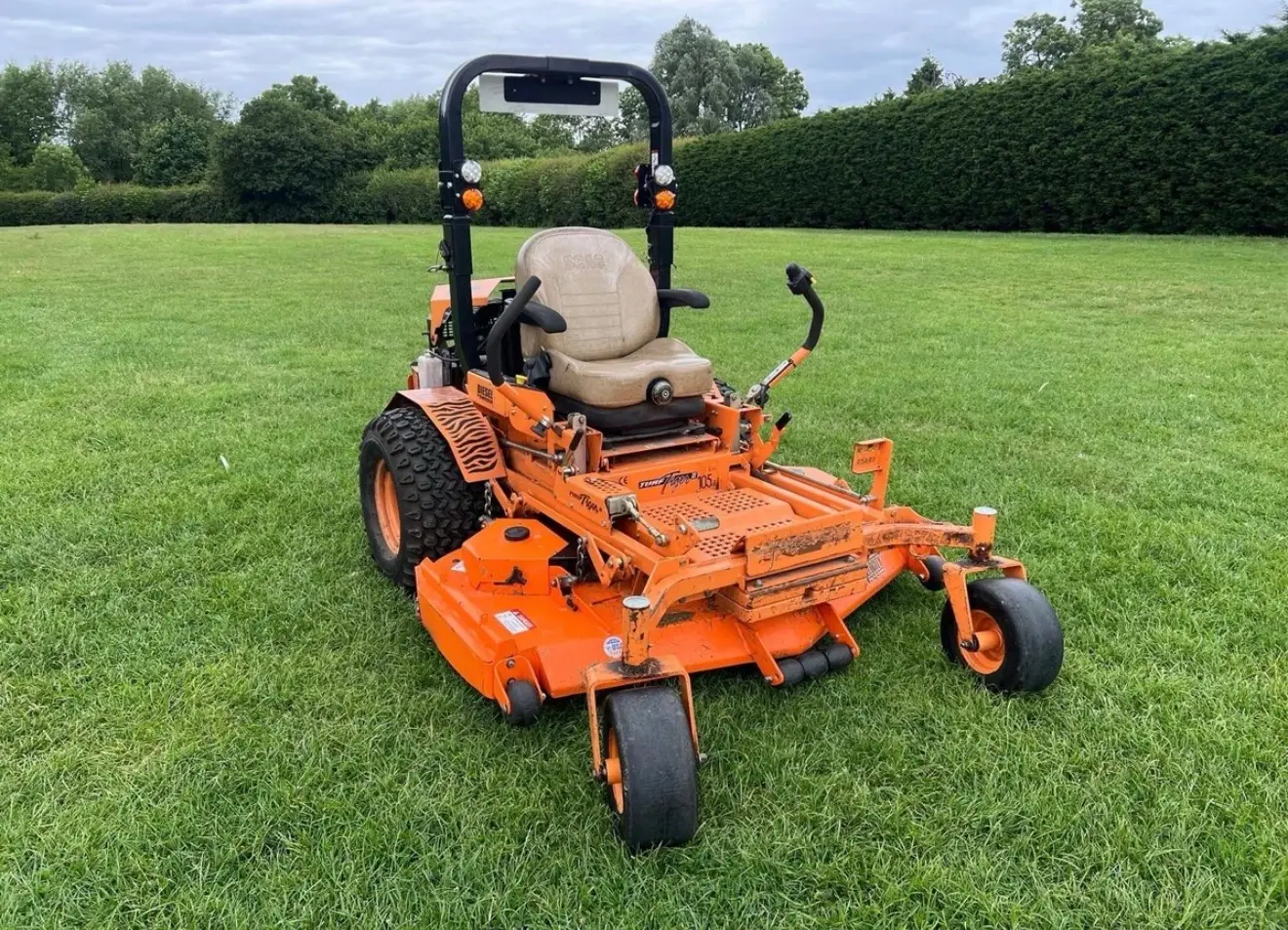
The Ultimate PGM Used SCAG Buyers Guide – Part 1
Are you looking for a reliable commercial mower without paying the price of a new machine?
SCAG mowers have a strong reputation for commercial performance, durable construction and productivity. Buying a used SCAG can offer excellent value. However, you need to know what to look for before you buy.
A low purchase price does not always mean a good deal. Poor maintenance, worn components and hidden mechanical problems can quickly increase your costs.
At Premier Groundcare Machinery Ltd (PGM), we specialise in used SCAG machinery. Our experience helps us understand what to look for when assessing these machines.
This guide explains how to choose the right SCAG, assess engine hours, identify potential problems and understand the difference between used and refurbished machinery.
Our aim is simple. We want to help you make an informed decision before spending your money.
Which SCAG Should I Buy?
The best SCAG for you depends on your workload, terrain, access requirements and budget.
SCAG produces different mower platforms for different applications. Some suit smaller lawns and restricted access. Others deliver the productivity needed for large commercial sites and extensive grounds.
Before you start looking at individual machines, consider these questions.
- How many acres or square metres do you need to cut?
- Do you work on flat ground, slopes or uneven terrain?
- Do you need to pass through narrow gates?
- Will you cut wet or difficult grass regularly?
- How many hours will the mower work each week?
- What is your budget for purchase and maintenance?
Your answers will help narrow down the models worth considering.
A larger mower may cover more ground in less time. However, it may not suit every site. The right machine balances cutting productivity, manoeuvrability, operating costs and reliability.
Pedestrian vs Zero-Turn Mowers
One of your first decisions is whether to buy a pedestrian mower or a zero-turn ride-on.
Both have advantages. The best choice depends on where and how you work.
Pedestrian SCAG Mowers
Pedestrian SCAG mowers suit operators who need close control and good manoeuvrability. They can work well around obstacles, narrow access points and areas where a ride-on mower would struggle.
Depending on the model and conditions, a pedestrian mower may also suit certain slopes and restricted areas.
Before buying, check the machine’s cutting width, engine specification, drive system and suitability for your terrain.
Do not assume that every pedestrian mower is suitable for steep slopes or very wet ground. Assess the specific machine and follow the manufacturer’s operating guidance.
Zero-Turn SCAG Mowers
Zero-turn mowers suit larger areas where productivity matters.
Their independent drive systems allow operators to turn tightly and manoeuvre around obstacles. A suitable zero-turn can reduce mowing time across large lawns, estates and commercial contracts.
However, deck width is only one part of the decision. Engine power, ground conditions, operator comfort, traction and access all affect performance.
Choose a machine that suits your working environment rather than simply buying the largest mower your budget allows.
Turf Tiger vs Cheetah: Which Is Right for You?
The SCAG Turf Tiger and Cheetah are established commercial zero-turn mower ranges. Both offer high productivity, but their specifications and features vary by model and generation.
SCAG Turf Tiger
The Turf Tiger range appeals to operators who need a heavy-duty commercial mowing platform. It can suit demanding workloads and extensive grounds.
When buying a used Turf Tiger, inspect the frame, cutting deck, engine and drive system. Check the maintenance history and ask about previous repairs.
SCAG Cheetah
The Cheetah range focuses on high-productivity mowing and, on applicable models, enhanced operator suspension.
When assessing a used Cheetah, check its suspension where fitted, cutting deck, engine and drive system. Also inspect the machine’s overall condition and maintenance records.
Neither model is automatically the better purchase. The condition, specification, maintenance history and price of the individual machine matter more than the badge on the side.
Before buying, compare the exact model year, deck size, engine and fitted features.
What Hours Are Acceptable on a Used SCAG?
Engine hours are an important part of any used mower assessment. However, there is no universal hour limit that determines whether a SCAG is a good purchase.
A machine with relatively low hours can still have serious problems if its owner neglected maintenance. A higher-hour mower may remain a sound investment if it received regular servicing and appropriate repairs.
Use the hour meter as one part of your assessment.
Lower Hours
Lower hours may indicate less use, but check the machine’s history and condition. Ask whether the engine or hour meter has ever been replaced.
Moderate Hours
Look for evidence of regular servicing and check the condition of wear components. Consider how the previous owner used the mower.
Higher Hours
Inspect the engine, hydraulics, drive system, cutting deck and chassis carefully. Ask about previous repairs and any components that may need attention.
Do not rely on the hour meter alone. Compare the recorded hours with the machine’s overall wear and available maintenance records.
A well-maintained commercial mower can remain useful for many years. Its future reliability depends on its condition, maintenance, workload and the cost of any repairs it needs.
What Does a Used SCAG Cost?
Used SCAG prices vary considerably. Age, model, deck size, engine specification, operating hours and condition all affect the asking price.
The level of workshop preparation also makes a difference.
An older mower that needs substantial work may have a lower asking price than a professionally prepared example. However, you must consider the additional cost of bringing the cheaper machine up to the standard you need.
When comparing prices, look at machines with similar specifications and condition.
Consider these factors:
- Purchase price.
- Engine and hydraulic condition.
- Cutting deck and spindle condition.
- Tyres, belts, blades and other wear components.
- Previous maintenance and repair history.
- Outstanding work.
- The preparation included in the sale.
Check current UK listings before deciding whether a particular asking price represents good value. Advertised prices can change, and two machines of the same model may have very different requirements.
You should also establish what the seller includes in the price and whether any additional costs apply.
At PGM, we believe customers deserve clear information about the machine they are buying.
What Should I Inspect Before Buying?
Never buy a used commercial mower based on photographs alone if you can arrange a physical inspection.
Start the machine, inspect its main components and ask the seller to demonstrate its operation where safe and practical.
If you lack the experience to assess a commercial mower properly, consider arranging an independent mechanical inspection.
1. The Cutting Deck
The cutting deck faces constant exposure to grass, moisture, debris and impact.
Look underneath for corrosion, cracks, damaged metal and signs of previous repairs. Pay close attention to spindle mounting areas and structural sections.
Check the spindles, pulleys, belts and blades. Look for excessive movement, unusual noises and visible damage.
Also inspect the deck lift system and adjustment components.
A clean or freshly painted deck can look attractive. However, appearance alone cannot confirm its structural condition.
2. The Engine
If possible, ask the seller to start the engine from cold.
Listen for unusual knocking, rattling or inconsistent running. Look for excessive exhaust smoke and visible oil or fuel leaks.
Check the oil level, air filter and cooling areas. Ask when the engine last received a service.
A mower that starts and runs does not necessarily have a healthy engine. Some faults only appear once the engine reaches operating temperature or works under load.
3. The Hydraulic and Drive Systems
Hydraulic repairs can prove expensive, so pay close attention to the drive system.
Where safe, check that the mower moves smoothly and responds consistently to the controls. Look for leaks around visible hoses, connections, pumps and motors.
Listen for unusual noises and watch for hesitation or differences between the drive sides.
Ask about previous hydraulic repairs and any recurring problems. Follow the manufacturer’s inspection guidance rather than assuming that every model uses the same hydraulic arrangement or service procedure.
4. The Main Frame and Chassis
Inspect the frame, engine mounting areas, caster arms and other structural components.
Look for cracks, bends, damaged mounting points and signs of poor-quality repairs. Pay attention to areas that experience regular stress during commercial use.
Check the wheels, tyres, controls and linkages for excessive wear or damage.
A structurally sound machine provides a better starting point for future maintenance and repairs.
5. Safety Systems
Check the parking brake, operator controls and fitted safety systems.
Do not ignore missing switches, damaged wiring or evidence of previous safety-system modifications.
Never bypass a safety switch to test a mower. Ask a competent technician to investigate any suspected fault.
How Much Should I Budget for Refurbishment?
Your refurbishment budget depends on the mower’s condition and the work it needs.
A basic service may cost considerably less than a machine that requires engine repairs, hydraulic work or extensive cutting deck restoration.
Common costs can include:
- Engine oil and filters.
- Air filters and spark plugs.
- Blades and drive belts.
- Tyres and wheels.
- Spindles, bearings and pulleys.
- Battery and electrical repairs.
- Hydraulic servicing or repairs.
- Cutting deck repairs.
- Labour and workshop time.
Do not assume that every used mower needs the same parts or level of work.
Ask a competent workshop to assess the machine and identify outstanding repairs. Obtain an estimate before committing to a purchase if you suspect significant problems.
A low purchase price can become expensive once you add parts, labour and downtime.
Compare the total cost of buying and preparing the mower with the price of a machine that has already received the appropriate workshop attention.
What Engine Should I Look For?
SCAG has used engines from manufacturers including Kawasaki, Kohler and Briggs & Stratton, including Vanguard engines, across different models and generations.
The best engine depends on the mower’s specification and intended workload.
Kawasaki Engines
Kawasaki engines feature across many SCAG commercial mower models.
When assessing one, check its service history, starting performance, oil leaks, cooling condition and general operation. Confirm the exact engine model before ordering service parts.
Vanguard Engines
Briggs & Stratton Vanguard engines also power a range of commercial mowing equipment.
Check the engine’s specification, maintenance history and condition. On EFI-equipped models, pay particular attention to starting, running and electronic fault symptoms.
Kohler Engines
Kohler engines feature in various SCAG models and generations.
As with any engine, assess its service history, running condition and parts availability. Do not assume that every engine from the same manufacturer has identical servicing requirements.
The important point is simple. Do not choose a mower on engine brand alone. Check the exact engine specification, power rating, condition and suitability for the cutting deck and workload.
What Expensive Failures Should I Look For?
Some faults can turn an apparently cheap mower into an expensive repair project.
Pay particular attention to these areas.
Hydraulic Pump and Wheel Motor Problems
Weak drive, poor response or unusual noises can indicate a problem with the drive system. However, these symptoms can have several causes.
Ask the seller to demonstrate the machine when it is cold and, where appropriate, after it has reached normal operating temperature.
Have a specialist investigate any suspected fault before you buy.
Engine Problems
Excessive smoke, difficult starting, unusual noises or poor running can indicate engine trouble.
These symptoms do not confirm a specific fault, so avoid assuming that a particular component has failed without further testing.
An engine assessment may help establish whether the machine needs routine maintenance, repairs or more extensive work.
Cutting Deck Damage
Severe corrosion, cracks, damaged spindle mounting areas and poor previous repairs can create expensive problems.
Inspect the deck carefully and establish whether any structural repairs are necessary.
Do not assume that every damaged deck can be restored economically. The repair method and overall condition will determine whether the work makes financial sense.
Is a High-Hour SCAG Worth Buying?
Yes, a high-hour SCAG can still represent good value.
However, you must assess its condition, service history, specification and asking price.
A machine with substantial hours may have received replacement components and regular maintenance. Another mower with fewer hours may have suffered neglect or demanding use.
Ask about engine servicing, hydraulic maintenance, previous repairs and any outstanding work.
Look at the complete machine rather than focusing on a single number.
If the purchase price reflects the condition and the machine meets your requirements, a higher-hour SCAG may be worth considering.
If the seller cannot explain its history or you identify serious faults, factor the uncertainty into your decision.
Used vs Refurbished: What Is the Difference?
The words used and refurbished should tell you something about the machine’s condition and preparation. However, sellers do not always use these terms consistently.
Always ask what the seller has actually done.
A used mower has had a previous working life. Its condition and maintenance history can vary considerably.
Before buying, establish what the seller has inspected, serviced, repaired or replaced.
Do not assume that a used machine has received a full mechanical refurbishment simply because it runs or looks clean.
A refurbished mower has received additional inspection and preparation. The precise work depends on the machine’s condition and the standard offered by the seller.
At Premier Groundcare Machinery, we assess each machine individually. Our preparation can include mechanical inspection, servicing, component replacement, cutting deck work, safety checks and operational testing where appropriate.
We also provide a PGM Workshop Refurbishment Report with our refurbished machines, detailing the work completed.
The PGM Signature Series
Our Signature Series represents our premium approach to used SCAG preparation.
We focus on mechanical condition, appropriate refurbishment and presentation. The exact work depends on the machine and its specification.
We believe in quality over quantity.
Prepared to a standard, not a price point.
Questions to Ask the Seller
Before buying a used SCAG, ask clear questions about its history and condition.
Here are five useful starting points.
- Do you have service records, invoices or maintenance history?
- What work has the mower carried out, and in what conditions?
- Have the engine, hydraulic pumps or wheel motors received repairs?
- When did the mower last receive servicing, and what did it include?
- What faults, outstanding repairs or worn components should I know about?
Also ask the seller to explain any refurbishment work and provide a record where available.
If the answers are unclear, investigate further before making a decision.
A reputable seller should be able to explain what they know about the machine and identify any limitations in its history.
Want Us to Find the Right SCAG for You?
You do not have to navigate the used mower market alone.
Premier Groundcare Machinery Ltd specialises in used SCAG machinery. We help customers buy, sell, refurbish, dismantle, source and service SCAG machines.
We focus on quality, practical knowledge and clear information.
If you are looking for a particular model, tell us your preferred deck size, engine, budget and intended use. We can discuss your requirements and advise whether a suitable machine may be available or worth sourcing.
Explore our SCAG Knowledge Centre for more buying advice and practical information.
If you already own a SCAG and want to sell it, contact PGM to discuss your machine.
Premier Groundcare Machinery Ltd
The UK’s Independent Used SCAG Specialist.
Verified. Prepared. Trusted. Supported.
Quality over quantity. Prepared to a standard, not a price point.
Continue the Ultimate PGM Used SCAG Buyers Guide
This is Part One of our used SCAG buying guide.
In Part Two, we will look more closely at assessing a mower’s mechanical condition, understanding its cutting deck and identifying the signs of previous repairs or neglect.
The more you know before buying, the better equipped you will be to choose the right machine for your work.